CJC-1295 was made to raise growth hormone for longer.
A drug company wanted the effect to last for days. After one shot, blood tests rose for growth hormone and IGF-1. Health gains weren't checked.
Why did researchers make CJC-1295?
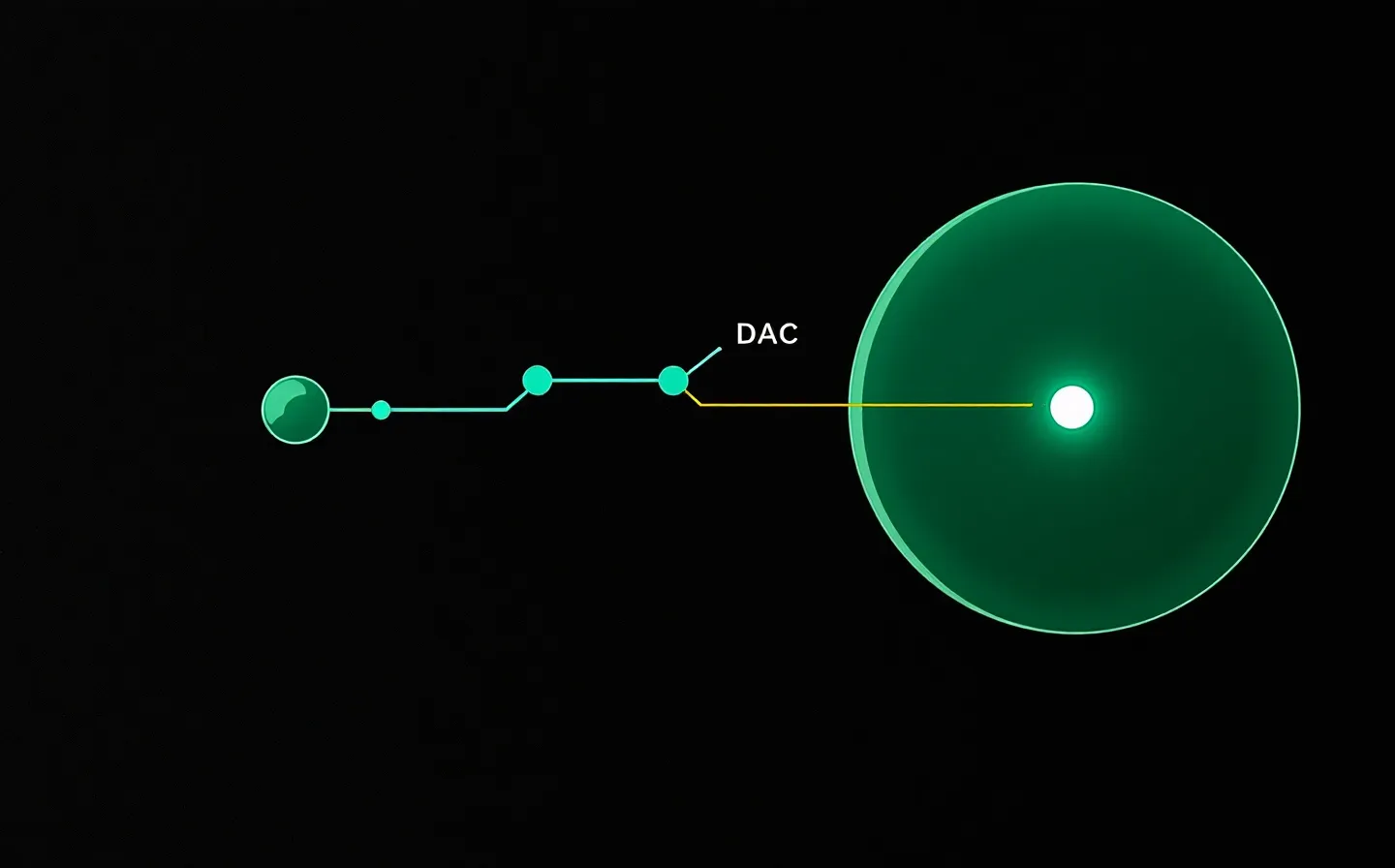
A drug company made CJC-1295 to copy a short message your body uses. The growth gland near your brain reads that message and sends out growth hormone. The drug copies the first 29 building blocks in the natural protein. Its makers changed the blocks at 2, 8, 15, and 27 [9]. Those numbers are places along the protein, not places in your body, and the changes slow breakdown. The long form also grips albumin, a protein already moving through your blood. Riding with albumin helps CJC-1295 remain there longer [2].
The strongest study involved healthy adults who got a single weight-based shot: 30 or 60 micrograms per kilogram. One microgram is one-millionth of a gram; one kilogram is a little over two pounds. There is no fixed amount for an ordinary adult because the person's weight set the total. Researchers then found average growth hormone rose 2- to 10-fold, which means between twice and ten times the first reading. It remained above its start through six days and perhaps longer. IGF-1 is a second blood hormone tied to growth. Its rise was 1.5- to 3-fold, between one-and-one-half and three times the first reading. The increase began sooner and was still present between the ninth and eleventh day. After repeated shots, raised IGF-1 lasted as long as 28 days. After 5.8 to 8.1 days, about half the drug remained in the blood [1].
What can you take from this? The study found a lasting blood change, not better health or a sure feeling.
Another trial involved healthy men from age 20 to 40, using one shot of 60 or 90 micrograms per kilogram. Body weight again set the total. Resting growth hormone rose about 7.5-fold, roughly seven times its start plus another half. IGF-1 was about 45% higher one week later, while the natural up-and-down hormone rhythm continued [3]. Rat work found a larger rise with the long form than the short form. Researchers could still find the drug in rat blood at 72 hours [2].
For you, human evidence stops at blood tests; the rat work only helps explain why the effect lasts.
What is CJC-1295, and is it approved?
CJC-1295 is a peptide, a drug made from a short string of protein pieces. Its long form joins albumin after reaching the blood [2]. Together, drug and albumin weigh about 66 kilodaltons, a lab unit for protein weight. That number doesn't settle safety for you. Study workers used an under-the-skin shot and mixed the dry powder with lab water [1]. These details describe the studies; they don't prove that using the drug is safe.
CJC-1295 isn't a steroid. Your growth gland answers the drug by sending its own growth hormone into the bloodstream. The drug isn't approved as a medicine for people. In 2024, an FDA panel left it off a raw-drug list used by certain drug-mixing pharmacies [6]. That list names what those pharmacies may start with when mixing some medicines. The panel did not approve the drug or give your clinic proof of safety. The world sport drug body forbids it during and outside contests, as the approval and sport rules explain. The research amounts come from papers and aren't a plan for you. This site doesn't sell or provide the drug.
What happens when CJC-1295 reaches the growth gland?
CJC-1295 fits a receiving spot on each growth-gland cell [7]. Once the drug fits, the cell gets a command to send stored growth hormone into the bloodstream [8]. Your liver answers by making more IGF-1, another blood hormone linked with growth. Your blood test can measure both.
The makers changed four protein pieces so blood would cut the drug apart more slowly [9]. The long form also attaches to albumin, which your blood carries in large amounts. The bond turns a minutes-long stay into one lasting days [2]. A 2020 study showed exactly how this kind of drug fits the receiving spot [7].
The design explains why your test results may remain changed. It doesn't show that CJC-1295 will make you feel better or healthier.
What have people said they felt?
The effects people describe come from personal accounts, not controlled trials. On that page, you can compare what people felt with what studies showed, so you can see the open safety questions.